Craft Notes · July 18, 2026 · 5 min read
Why Floor Leveling Decides the Finish
The quality of a floor is usually determined before a single plank is laid. Here is what proper preparation actually involves.

Flat is not the same as level
A subfloor can be perfectly level and still be unsuitable for a finished floor. What matters for most installations is flatness — the amount of deviation measured across a given span, not whether the surface is horizontal.
Manufacturers publish tolerances for a reason. Installing over a subfloor outside of tolerance is the most common cause of hollow spots, squeaks and premature wear at plank edges.
What good preparation looks like
We map the room before anything else: high points, low points, moisture readings and transitions to adjacent spaces. That map determines whether the correction is grinding, patching, self-levelling compound, or a combination.
The goal is a surface that behaves predictably under the finished material for decades — not a surface that only looks acceptable on installation day.
The part you see later
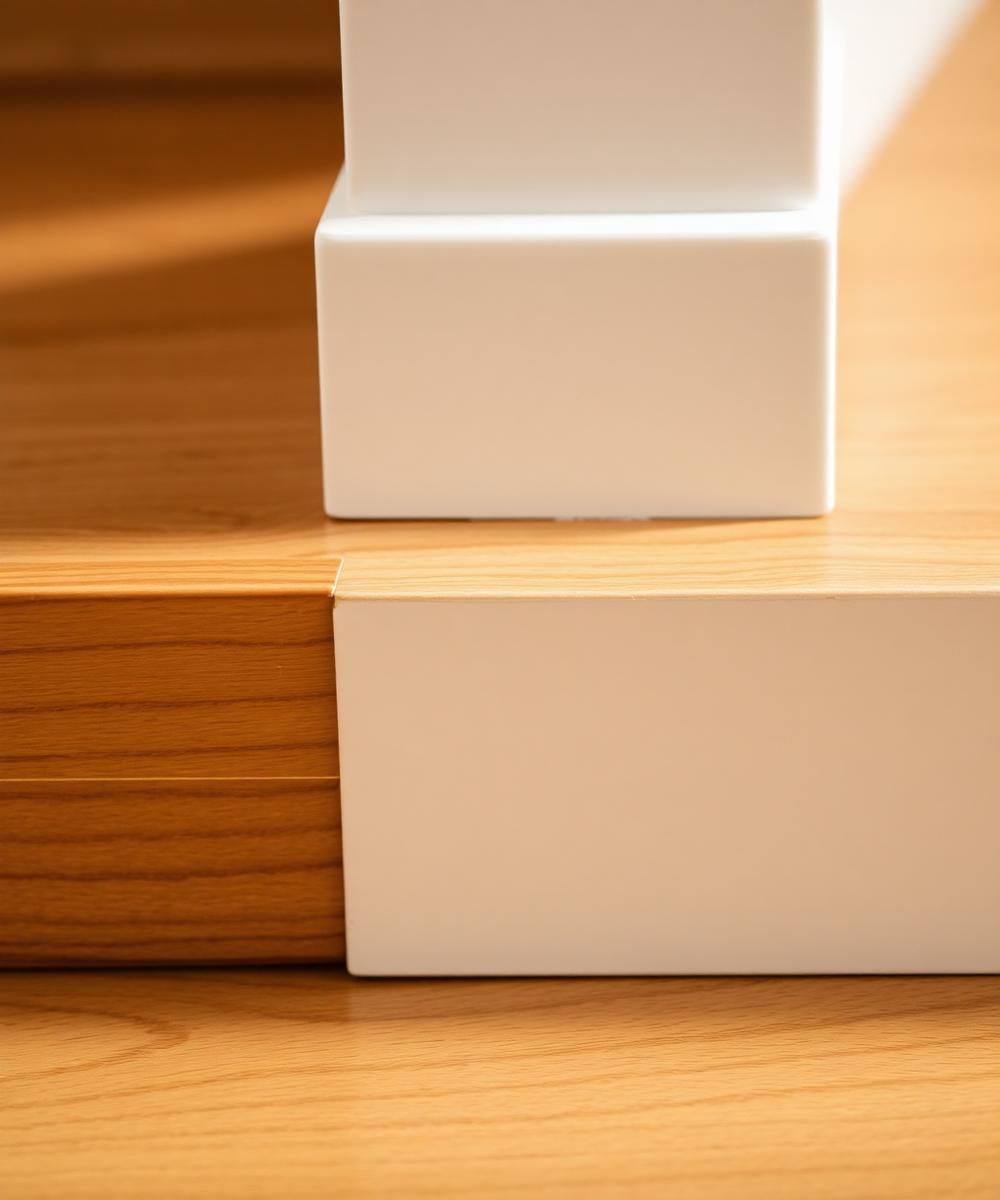
Preparation quality shows up months after the project ends: in how doors swing, how transitions sit flush, and how quiet the floor stays underfoot. It is invisible work that defines a visible result.